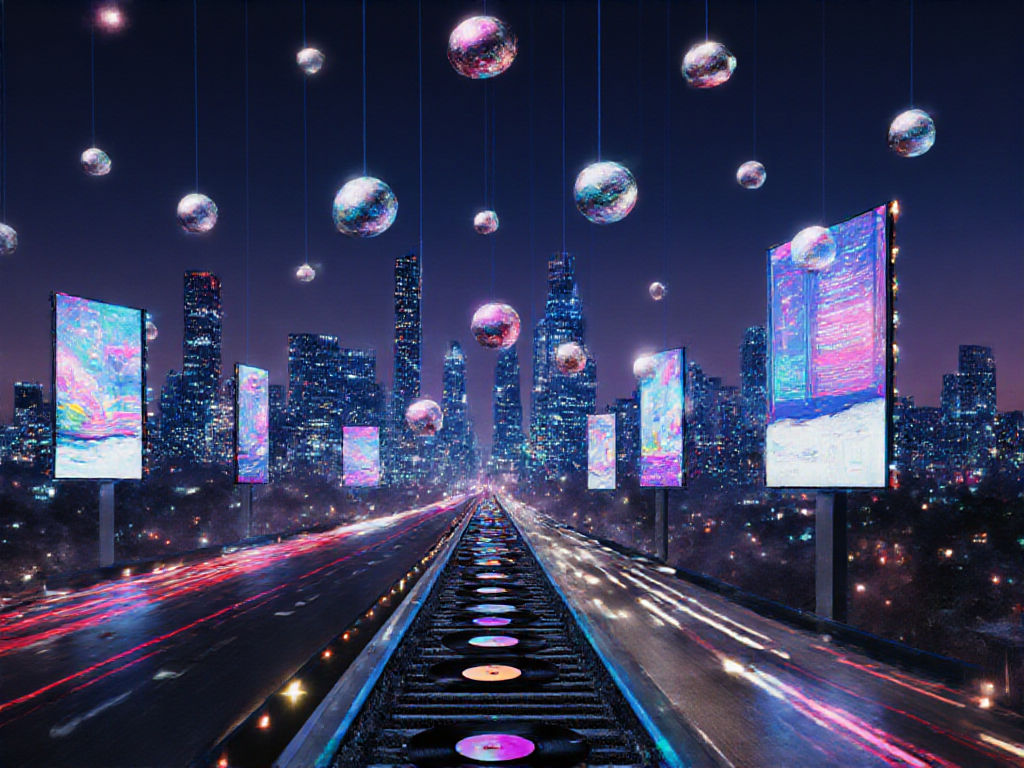

The fusion of artificial intelligence and music production has transformed the creative landscape, with AI now capable of generating chart-topping tracks through advanced algorithms and data-driven techniques. Recent advancements in machine learning models, such as those trained on vast libraries of pop hits, enable AI to analyze patterns in melody, chord progressions, and vocal delivery. For instance, tools like AIVA and Endel have demonstrated how AI can replicate the emotional resonance of human composers, blending technical precision with artistic intuition to craft songs that resonate with global audiences.
At the core of this revolution is the dual approach of AI in handling both vocal and instrumental elements. Vocal Line AI systems, like those developed by companies such as Lyrebird, use natural language processing to mimic human voices, adjusting tone, pitch, and rhythm to match lyrical content. Meanwhile, Instrumental Line AI leverages generative adversarial networks (GANs) to create dynamic, genre-specific arrangements that adapt to the emotional arc of a song. This synergy between AI-driven vocals and instrumentation has streamlined production timelines, allowing artists to iterate rapidly while maintaining high creative standards.
Recent industry reports highlight a 300% increase in AI-assisted music production since 2023, underscoring its growing role in mainstream music. Platforms like Amper Music and IBM’s Watson have shown how AI can democratize music creation, enabling non-experts to generate professional-quality tracks. However, this trend also raises questions about originality and the value of human artistry. While AI can replicate existing styles, its ability to innovate remains limited, prompting debates about the balance between algorithmic efficiency and creative spontaneity.
Despite these challenges, AI’s impact on the music industry is undeniable. Labels are increasingly using AI to predict market trends, optimize song structures for streaming platforms, and even personalize recommendations for listeners. For example, Spotify’s AI-driven ‘Wrapped’ campaigns now incorporate machine learning to tailor content to individual user preferences, blurring the lines between creator and consumer. This data-centric approach has redefined how music is consumed, with AI acting as both a producer and a curator in the digital age.
As we look ahead, the integration of AI in music creation will likely deepen, with emerging technologies like neural audio synthesis and real-time collaboration tools further blurring the boundaries between human and machine. Yet, the heart of musical artistry—emotional storytelling and cultural context—remains irreplaceable. AI may accelerate the process, but the soul of a hit song still lies in the human capacity to connect with listeners. The future of music is not a replacement of creativity, but an evolution of it, shaped by the collaboration between technology and imagination.