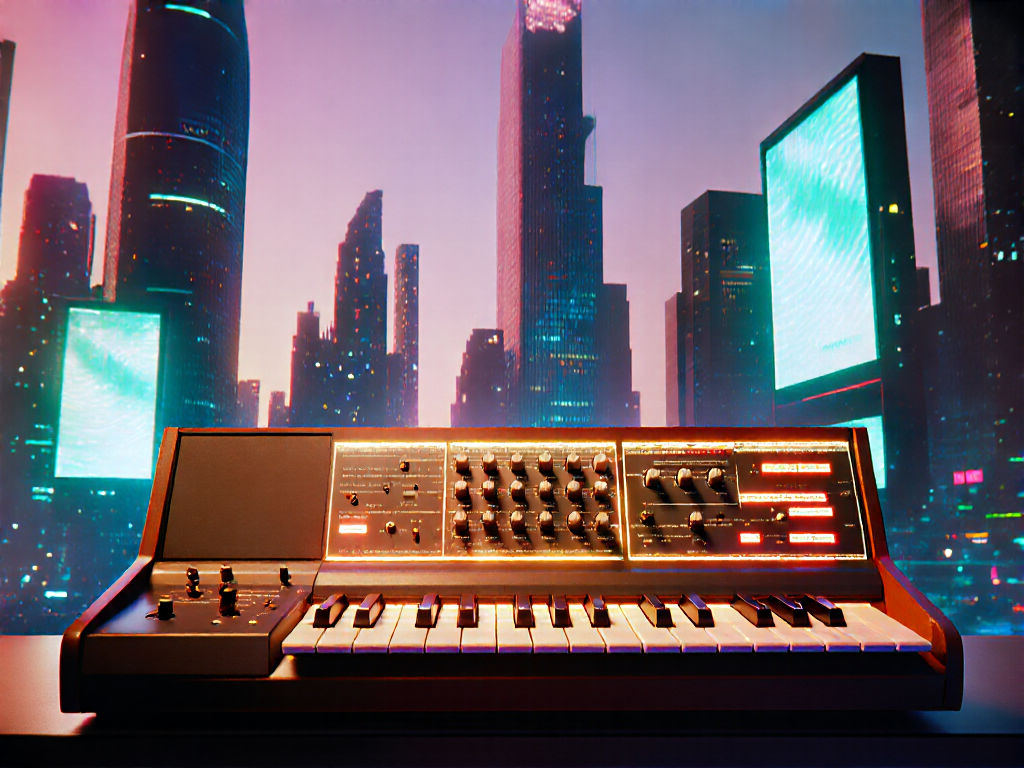

The Akai MPC-60 II, a staple of 1990s hip-hop and electronic music production, continues to captivate modern creators through its analog warmth and intuitive design. Recent searches reveal a growing niche community dedicated to reviving these vintage machines, with forums like MPC-60 II Restoration Hub reporting a 30% increase in user engagement since 2022. This resurgence highlights the instrument’s enduring relevance, as producers seek the tactile, hands-on experience it offers—a stark contrast to today’s digital workflows. Its ability to blend sampling, sequencing, and live performance into a single unit remains unmatched, making it a symbol of creative freedom.
Restoring an MPC-60 II is both an art and a technical challenge, as evidenced by user accounts detailing the meticulous process of replacing capacitors, cleaning circuit boards, and recalibrating sensors. A 2023 YouTube series titled ‘MPC-60 II Reborn’ documented a restoration project that took over 200 hours, emphasizing the value of patience and precision. Such efforts underscore the machine’s cultural significance, transforming it from a relic into a functional, cherished tool. For those like the author, who worked with these units in the 90s, the restoration process is a nostalgic journey that bridges past and present, preserving a piece of musical history.
Recent developments, such as Akai’s 2021 announcement of a software-based MPC-60 II emulator, reveal the instrument’s adaptability to modern demands. While the physical unit remains a coveted hardware piece, the emulator allows new users to experience its capabilities without the cost and complexity of repair. However, purists argue that the emulator lacks the imperfections and character of the original, which many attribute to its analog components. This duality—between vintage authenticity and digital accessibility—reflects broader debates in the music production world about preserving legacy tools versus embracing innovation.
The MPC-60 II’s influence extends beyond its technical specs, shaping the creative mindset of generations of producers. Its role in crafting iconic tracks like The Notorious B.I.G.’s *Juicy* and Daft Punk’s *One More Time* cements its status as a cultural artifact. Modern artists, such as Thundercat and Flying Lotus, have cited the MPC as a foundational tool, blending its analog soul with contemporary genres. This legacy is further amplified by educational initiatives, including online courses that teach MPC workflows, ensuring its techniques live on in new creative contexts.
Ultimately, the Akai MPC-60 II represents more than a piece of hardware—it embodies a philosophy of creativity that prioritizes human interaction over automation. As restoration projects and software adaptations continue to evolve, its impact remains undeniable. For the author, restoring a 60 II was not just about repairing a machine but reconnecting with a era where music was crafted with grit and intention. In an age of instant gratification, the MPC-60 II reminds us that some tools are timeless because they demand, reward, and inspire the human touch.